Final Command
A downloadable game for Windows
Description
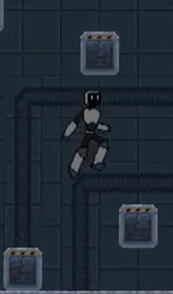
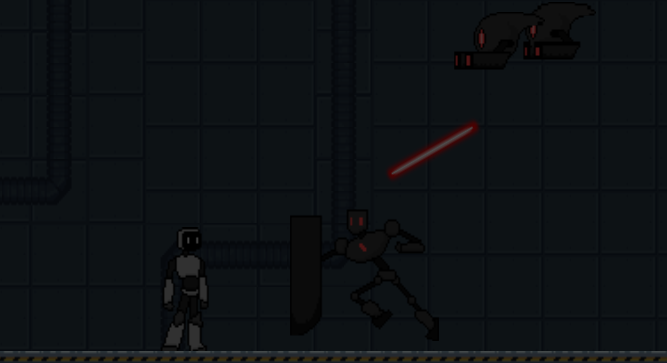
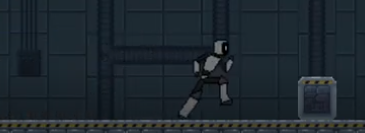
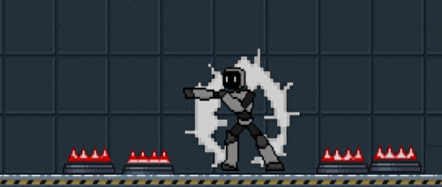
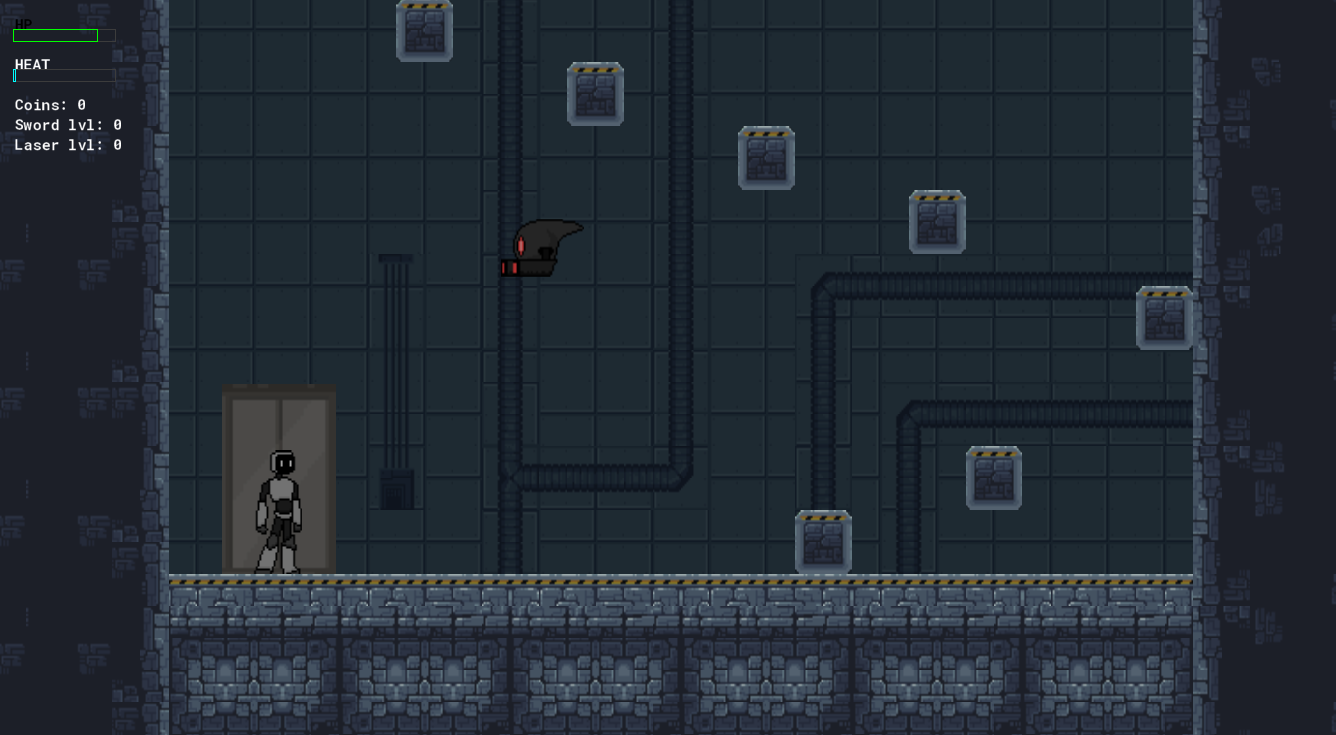
Final Command is a fast-paced 2D sci-fi action platformer in which you play a robotic prototype fighting your way up an unsafe mechanical tower. Each floor is overflowing with enemies such as violent androids, flying drones, and shielded defenders out to stop your climb. With only your blade, shield, and agility, you must progress through each level to the top, where the enhanced prototype Zero Command awaits.
Story
Two Sentence Pitch:
You are a robot designed to be the ultimate war machine, but you are experiencing an episode of amnesia. To reclaim your memories, you have to fight your way through the fortified tower, battling waves of mechanized villains and mastering a mix of brutal melee and ranged combat.
Two Minute Pitch:
At the beginning of each round, you exit the elevator on a different floor that's teeming with enemies just waiting to tear you to pieces. Likely for you, as a robot, you have an arm blade, a built-in close-quarters combat weapon that allows you to slash, combo, and knockback enemies close up.
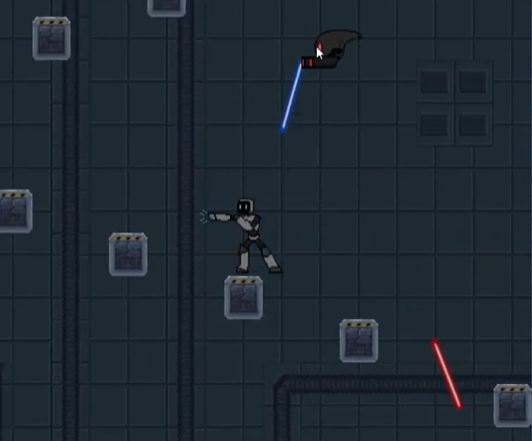
As you advance, you collect coins for defeating enemies that you can use to purchase upgrades to weapons, such as the Laser Gun and Blade allowing you to increase your chances of fighting higher-level enemies. You're even encouraged to switch weapons during combat, stringing gun/sword combat and melee fighting together in a fluid game world. Combat is fast, nimble, and fierce. You'll evade shots from the enemy, plan your strikes, and collect dropped wrenches to heal.
After the enemies have been defeated on a floor, the elevator will open up, and you can go either to a shop or to the next floor. By going through each floor, you will gain power and find out little bits about your lost identity until you have reached the top of the tower and see reality in your life.
Controls:
A and D – Move
Space – Jump
Left Click – Sword attack / Laser attack
Q - Change weapons
W – Interact with elevator
Goal:
Fight your way through each floor.
Defeat all enemies.
Unlock the elevator.
Ascend to the next level.
Survive until the final confrontation.
What went right and the most proud of:
What we were the most proud of during our game, Final Command is its heat limit mechanic, which significantly influences the combat experience. Than permitting unlimited attacks the heat system demands careful planning through cooldown control, weapon changes and movement. This feature discouraged tactics and heightened the intensity of battles resulting in combat that feels more intentional and satisfying. Alongside this, the lighting and overall visual atmosphere greatly enhanced the game’s presentation, helping create a cohesive sci-fi environment that was both immersive and readable during gameplay. We are also proud of the overall polish of the game, as we prioritized responsive controls, clear feedback, and consistent visual and audio elements. The player movement in particular feels fast and fluid, with responsive acceleration and jumping that supports both platforming and combat, contributing greatly to the game’s enjoyable feel.
What went wrong and how we overcame it:
A major obstacle in development was missing our internal deadlines because of overlapping exams, assignments and obligations from other courses. This sometimes resulted in setbacks for art, music, level design and coding causing problems like unfinished level walls that players or enemies could glitch through or get trapped in. To address this we enhanced team collaboration by establishing a shared calendar to monitor academic conflicts and posting notifications, on Discord whenever someone expected to be unavailable. This allowed other team members to temporarily take over tasks or prepare ahead of time, helping the team stay productive and ultimately catch back up to ensure the game was completed on time.
Major changes in Development:
At the beginning of development we employed placeholder sprites and tilesets sourced from OpenGameArt allowing programmers and level designers to keep advancing and testing gameplay mechanics while the final assets were being created. This strategy sustained progress in the stages but as development advanced certain assets were swapped out because of visual mismatches or technical problems, within GameMaker including inadequate collision detection or absent object sprites. Enemy design followed a similar pattern, as the original plan included a larger variety of enemies than we could realistically polish within the timeline, leading us to reduce and refine the enemy roster so each remaining enemy felt more distinct, functional, and balanced within the combat system.
What we learnt:
During development we learnt that we originally overestimated the amount of content and features achievable within weeks of the semester especially for intricate elements such as combat mechanics, AI behavior and level progression. This sometimes caused us to redirect our attention to academic commitments causing a slowdown, in game progress. Nonetheless after establishing the core systems we observed that development sped up considerably in the last weeks. This experience taught us the importance of realistic scoping, early planning, and clear team communication, all of which helped us finish the project at a level we were proud of and will strongly influence how we approach future game development projects.
Credits, Team Roster & Roles:
Programming: John Abdelmalak, Naysan Camillo-Castillo
Art: Jeremiah Toliver
Music: Aaron Munoz
Design: Darvin Le
John’s Contribution:
John will be working on the underlying programming systems that will bring the game to life. This encompasses adding movement physics to the player, attack patterns, and the underlying system of switching weapons. He, too, will have to work on creating enemy AI behaviors so that each type of robot, from the Shield Robot to the sniper-like Aimers, presents a distinct and strategic challenge. Additionally, John will develop the underlying systems for the player's health, including overheating and overcharging, as well as the interfaces for the elevator and shop. John will be involved in the implementation of environmental and level layout, and will also assist in project planning by contributing to the development of a rough schedule and setting milestones, in addition to fulfilling his programming responsibilities.
Aaron’s Contribution:
I will work on the game's music and sound design by composing the game's central theme, as well as different tracks for the levels, shop, and elevator situations. I will also work on the weapon sounds, ambient sounds, and abilities to ensure that everything is in harmony with the game environment and its dynamic sounds. I'll help ensure the sound is precisely synced with the gameplay. Lastly, I'll test the sounds to ensure everything works as intended.
Naysan’s Contribution:
I am one of two programmers and will be responsible for integrating artistic elements, such as sprites, animations, backdrops, and music, into the game. I will be coding alongside the other programmer, John, to make the game mechanics look realistic. I will also be coding the core systems of the game, including movement, combat, and progression. The movement will be coded for both the player and the enemy, taking into account whether they are walking, jumping, or turning, ensuring each movement is well-balanced. For combat, I will code the connection of attacks, enemy response, rapid interactions, and player satisfaction with the combat. Lastly, I will code in-store upgrades, level transitions from the bottom to the top of the tower, and the game's balance of overcharge and overheat. In general, my work helps the game feel more alive and unified by weaving a knot of art and music, with the code acting as the rope.
Darvin’s Contribution: As a designer, I will ensure the game is balanced and playable by creating systems, identifying bugs through playtesting, and correcting design mistakes. If it’s within my ability, I will help fix the bugs or design flaws I find, so that the game becomes more playable. I will also clarify the game's vision by maintaining the design document and creating basic visuals for level design and mechanics. I will also design the levels for the game, using whatever systems we can make.
Jeremiah’s Contribution: I am responsible for the art for the game. This means I will be designing the player, enemies, and weapons, combined with animating the movements for everything in the game. I will also utilize open game art to select less critical features, primarily backgrounds, that complement the rest of the game’s art style. Should it become necessary, I will also help out the programmers with the coding aspect of the game.
Download
Install instructions
1. Download the ZIP file from this page.
2. Extract the ZIP using Windows File Explorer or any unzip tool.
3. Open the extracted folder.
4. Run FinalCommand.exe to start the game.
Leave a comment
Log in with itch.io to leave a comment.